👉🎁 Huge June Promotion!

Buy before June 30 and get a FREE Home Essentials Appliance Bundle

Read more
Chat GPT Image Jun 4 2026 12 26 19 PM

Why HouseMe Has Chosen Not to Offer the Granny Flat PIM Exemption Pathway

Why HouseMe Has Opted Out Of The Granny Flat Exemption Pathway

After extensive consultation with councils, industry experts, professional consultants and government agencies, HouseMe has made the decision to continue supporting the traditional Building Consent process rather than the proposed Granny Flat PIM Exemption pathway. 
Chat GPT Image Jun 4 2026 12 26 19 PM

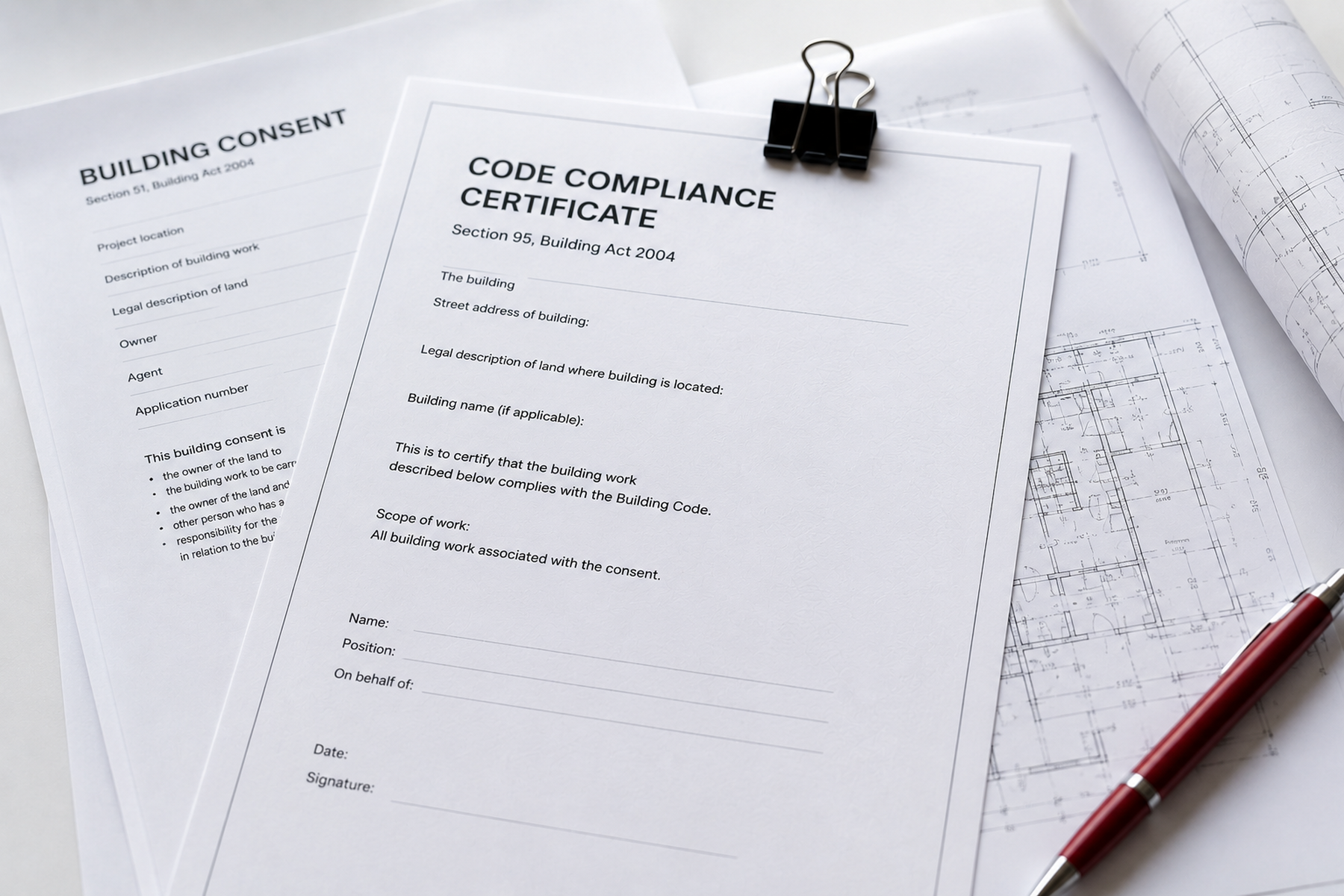
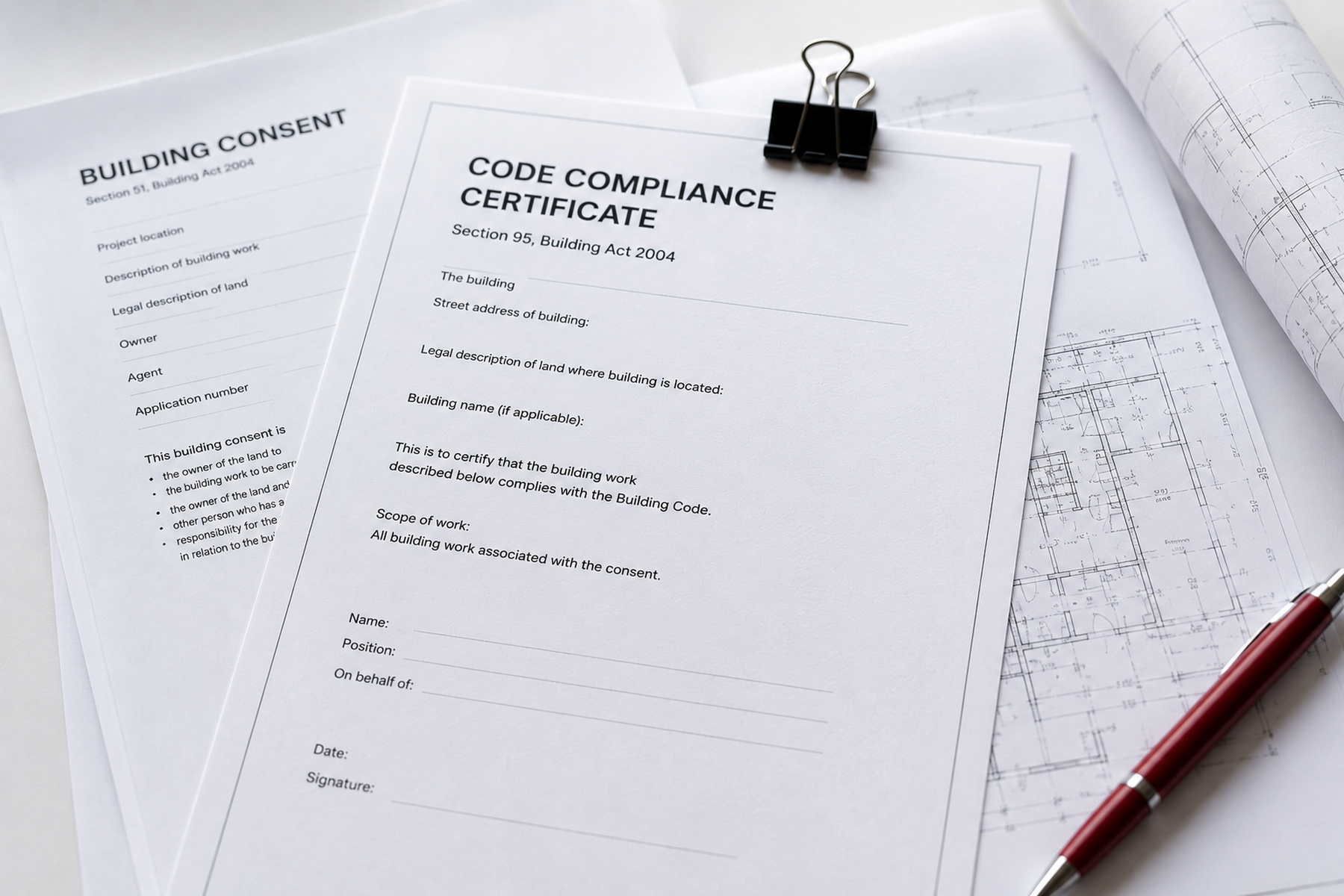
While the exemption has generated plenty of interest, our assessment found that the cost savings are often minimal, Development Contributions can still apply, and much of the liability shifts back onto the homeowner. Most importantly, HouseMe homes are manufactured under a formal Building Consent process and issued with a Code Compliance Certificate (CCC), making them fundamentally incompatible with an exemption designed for unconsented building work. We believe compliance, independent verification and certainty are incredibly important. That's why we remain committed to delivering fully consented, CCC-certified homes that provide long-term confidence for homeowners, insurers, lenders and future buyers

Over the past 12 months, there has been a lot of discussion around the proposed Granny Flat Building Consent Exemption and what it might mean for homeowners looking to add a minor dwelling to their property.

At HouseMe, we've spent considerable time engaging with industry experts, professional consultants, councils, and government agencies to fully understand how the exemption works in practice.

After extensive review, we have made the decision not to offer or promote the Granny Flat PIM Exemption pathway and instead continue to support the traditional Building Consent process.

This decision wasn't made lightly. It was made because we believe it remains the safest, most practical, and most reliable option for our customers. 

The Reality Is That The Cost Savings Are Often Minimal

One of the biggest assumptions surrounding the exemption is that it will significantly reduce costs.

In reality, this is often not the case. While some Building Consent fees may be avoided, many other costs associated with developing a site remain the same.

These can include:

• Site assessments

• Geotechnical reports

• Engineering design

• Foundation design

• Drainage design

• Infrastructure connections

• Professional consultant fees

• Resource consent requirements where applicable

For many customers, these costs represent the majority of the overall approval process. The result is that the financial savings are often far less than many people initially expect.

Development Contributions Still Apply

Another common misconception is that the exemption removes Development Contributions (DCs).

It does not.

If your council charges Development Contributions for an additional dwelling on your property, those charges can still apply regardless of whether a Building Consent is required.

In many parts of New Zealand, Development Contributions can amount to tens of thousands of dollars.

Whether the home is consented under the traditional pathway or constructed under an exemption, the council's ability to charge Development Contributions generally remains unchanged.

From a customer's perspective, this often means the largest council cost still exists.

The NES-DMRU Has Already Removed Many Previous Barriers - The biggest win!

One of the biggest changes in recent years has been the introduction of the National Environmental Standards for Medium Density Residential Development (NES-DMRU).

For many property owners, this has already delivered some of the benefits people hoped the exemption would achieve.

Across much of New Zealand, setbacks, density requirements, and planning restrictions have been significantly relaxed.

This means adding a minor dwelling is already easier than it was several years ago.

In practical terms, many homeowners are finding that obtaining a Building Consent through the existing process is relatively straightforward, particularly when supported by experienced consultants.

The Liability Sits With The Property Owner

This is one of the most important considerations.

Under a traditional Building Consent process, councils review and approve the proposed building work before construction occurs.

There is independent oversight and a formal process that provides an additional layer of verification.

Under the exemption pathway, much of that responsibility shifts back to the homeowner.

If mistakes are made, requirements are misunderstood, or work is completed incorrectly, the liability largely sits with the property owner.

Future issues can also arise when:

󠁯•󠁏󠁏 Selling the property

󠁯•󠁏󠁏 Refinancing

󠁯•󠁏󠁏 Obtaining insurance

󠁯•󠁏󠁏 Providing documentation to future purchasers

For many customers, the perceived savings simply do not justify the additional risk.

HouseMe Homes Are Not Eligible Under The Exemption

This is the key reason behind our decision.

Every HouseMe home is manufactured under a formal Building Consent process and issued with a Code Compliance Certificate (CCC).

Our homes are built within a controlled factory environment and are independently inspected throughout construction.

This process provides a level of verification and quality assurance that is recognised throughout the New Zealand building industry.

The exemption legislation was designed around unconsented building work.

Because HouseMe homes are built under a factory Building Consent and receive a CCC, they do not fit within that framework.

Quite simply, the two pathways are incompatible, and we would need to become less compliant to become eligible. 

To participate in the exemption pathway, we would need to fundamentally change how we build, inspect, certify and quality-assure our homes.

That is not something we are prepared to do.

Why We Continue To Back The Building Consent Process

At HouseMe, we have always believed that building compliance is not a box-ticking exercise.

It is about protecting homeowners.

A Building Consent and Code Compliance Certificate provide:

• Independent verification

• Regulatory oversight

• Clear documentation

• Confidence for future buyers

• Confidence for insurers and lenders

• Long-term protection for homeowners

It remains the highest and most recognised standard of certification available within New Zealand's residential construction industry.

For that reason, we will continue to manufacture our homes under Building Consent, obtain Code Compliance Certificates, and encourage customers to follow the traditional consent pathway for site works.

Our Focus Is On Certainty, Not Shortcuts. We are not in the business of building "maybe-compliant" homes.

We understand the appeal of any process that promises to make building easier.

However, after reviewing the exemption in detail, our view is that the traditional Building Consent pathway remains the most robust, transparent and reliable option for the vast majority of HouseMe customers.

The good news is that planning rules are already becoming more accommodating through changes such as the NES-DMRU, while the Building Consent process continues to provide the protections, oversight and certainty that homeowners deserve.

At HouseMe, our priority has always been delivering homes that stand the test of time and giving customers confidence in what they are buying.

That's why we'll continue to back the Building Consent process and the Code Compliance Certificate system that supports it.

Buy price options

Finance prices are indicative and based on typical terms of a deposit followed by weekly payments over a ten year period.

Confirm